Jammu & Kashmir Travel Guide 2026
Feb 26, 2026
Complete Regional Overview, Places to Visit, Itinerary, Cost & Planning Blueprint
Jammu & Kashmir remains one of India’s most geographically diverse and strategically layered travel regions. Unlike single-destination hill stations, this Himalayan territory operates as a three-zone ecosystem: the alpine Kashmir Valley, the pilgrimage-oriented Jammu belt, and the high-altitude desert plateau of Ladakh. Each region differs in altitude, culture, climate, and travel pacing.
This comprehensive Jammu & Kashmir Travel Guide 2026 is structured to help travelers make informed planning decisions. It covers:
Regional breakdown and travel zones
- Places to visit in Jammu & Kashmir
- Best time to visit in 2026
- 7-day and extended itinerary models
- Trip cost estimation
- Safety and altitude considerations
- Logistical planning strategy
Whether planning independently or exploring professionally curated Jammu & Kashmir tour packages, this guide functions as a structured planning resource.
Understanding the Three Travel Zones
A successful Jammu & Kashmir travel plan begins with geographic clarity. Each zone serves a different travel objective and requires different pacing.
Kashmir Valley – Scenic & Leisure Circuit
The Kashmir Valley is the most visited and logistically efficient region for first-time travelers. It offers lakes, meadows, glaciers, Mughal gardens, and snow tourism within a compact radius.
- Altitude range: 1,500–2,700 meters
- Primary arrival airport: Srinagar
- Ideal duration: 6–7 days
Srinagar
Srinagar serves as the tourism and cultural core of the Valley. The city blends Mughal-era landscaping, lake life, religious landmarks, and traditional markets.
Key experiences include:
- Houseboat stay on Dal Lake
- Shikara ride during sunset hours
- Visit to Shalimar Bagh and Nishat Bagh
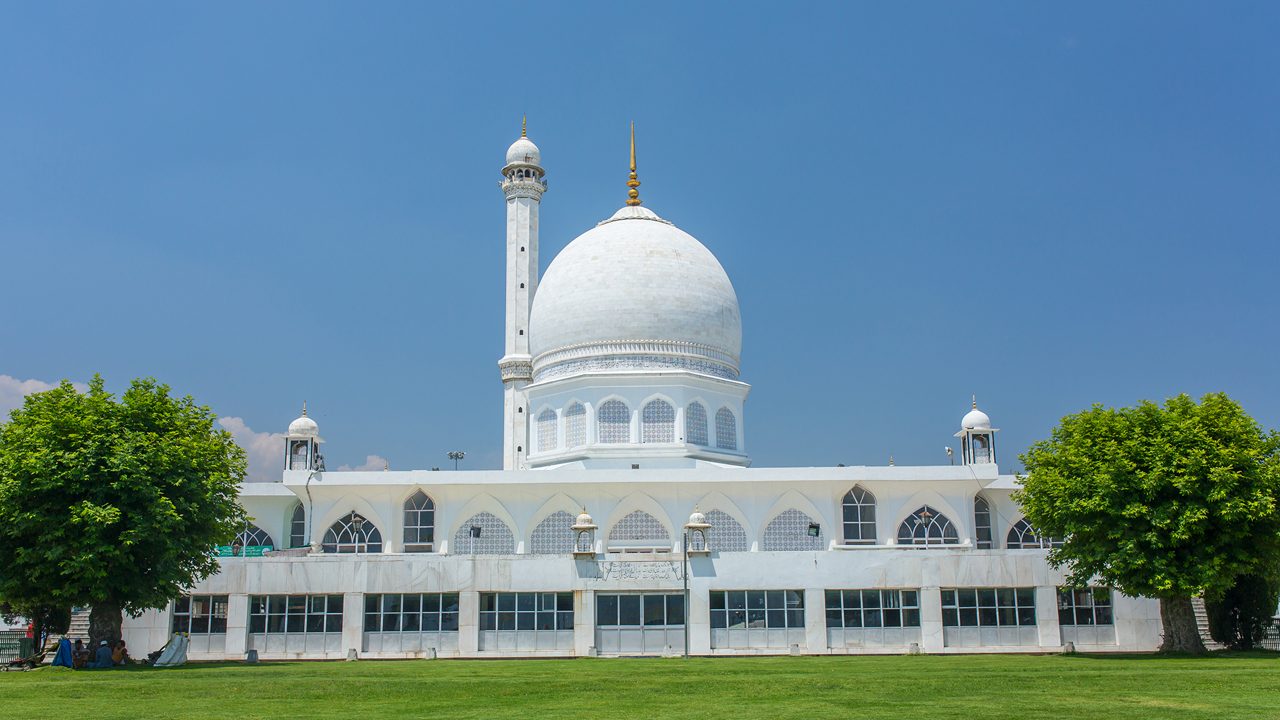
- Hazratbal Shrine
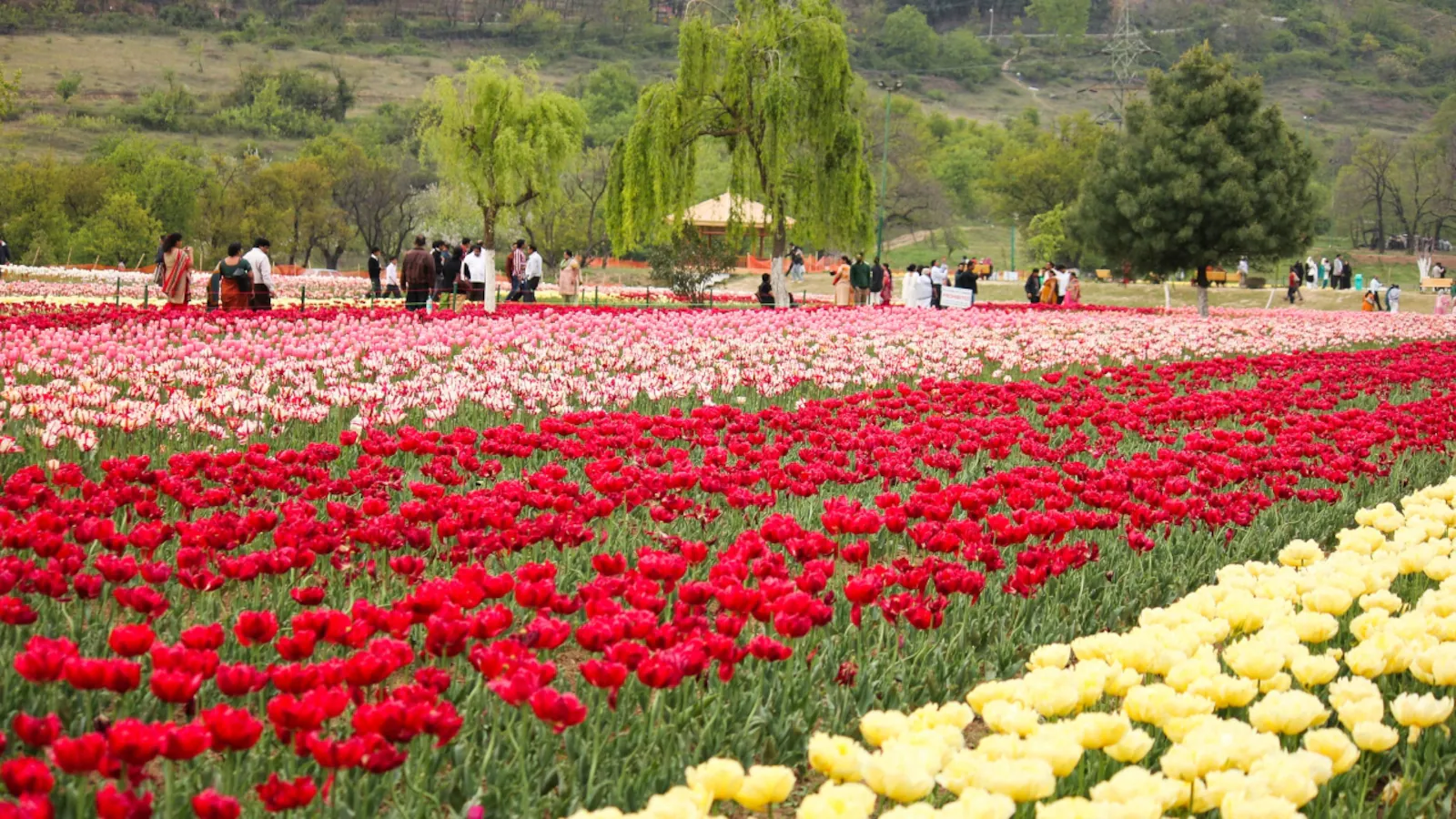
- Indira Gandhi Memorial Tulip Garden (April seasonal bloom)
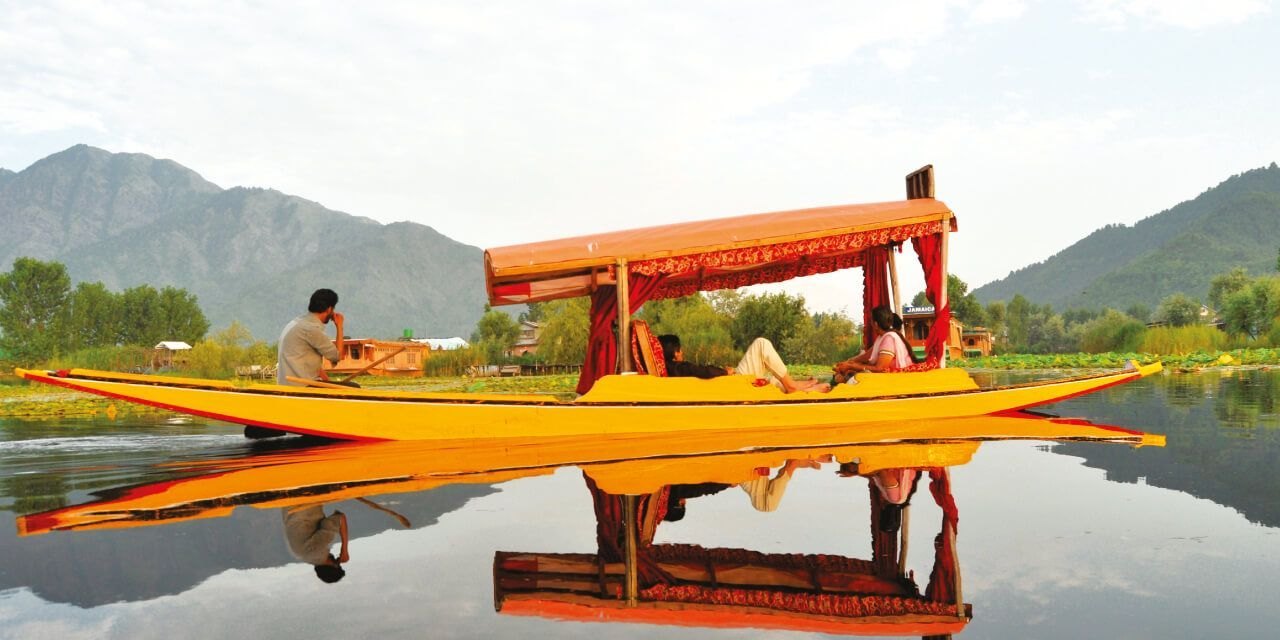
Srinagar requires at least two nights to experience both the lake and city segments properly. Travelers planning shorter stays can explore curated Srinagar trip packages for optimized 2–3 night itineraries. It also acts as the base for day excursions to Gulmarg and Sonmarg.
Gulmarg
Located 50 km from Srinagar (1.5–2 hours drive), Gulmarg is India’s premier snow destination and meadow retreat.
Major highlights:
- Gulmarg Gondola (high-altitude cable car)
- Winter snow sports (January–February peak snowfall)
- Summer alpine meadows
- Golf course (seasonal operations)
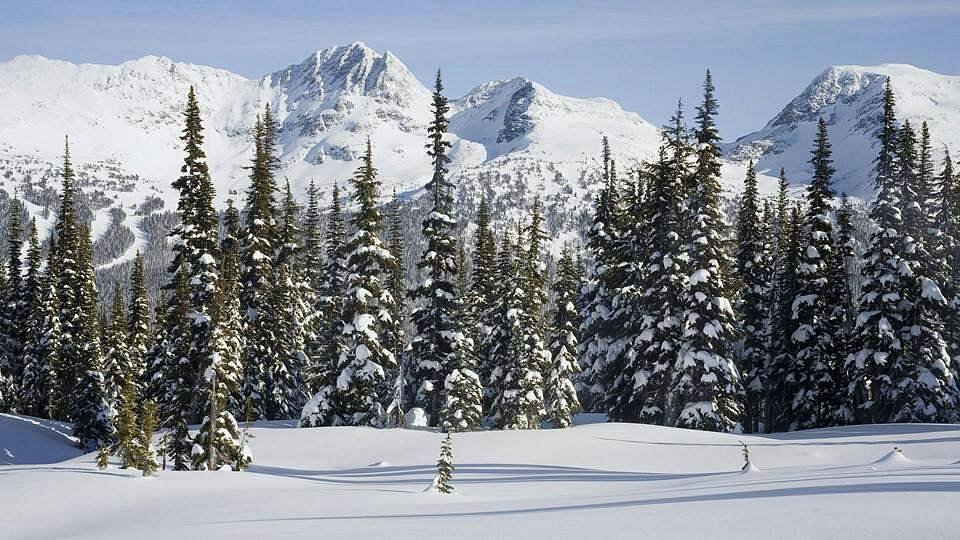
Winter travelers should pre-book gondola tickets and confirm snow forecasts. Those looking for bundled alpine stays often choose a structured Gulmarg trip package that includes transfers and activity coordination. During summer, Gulmarg functions as a cool escape from Srinagar’s warmer afternoons.
Pahalgam
Situated approximately 90 km from Srinagar (2.5–3 hours drive), Pahalgam is known for river valleys and meadow landscapes.
Primary sightseeing zones:
- Betaab Valley
- Aru Valley
- Chandanwari
Important logistical note: Local union taxi regulations restrict outside vehicles for internal sightseeing. Visitors must hire local cabs for valley transfers, which affects budgeting. To simplify logistics, many travelers opt for organized Pahalgam trip packages within a larger Valley itinerary.
Pahalgam ideally requires two nights for relaxed exploration.
Sonmarg
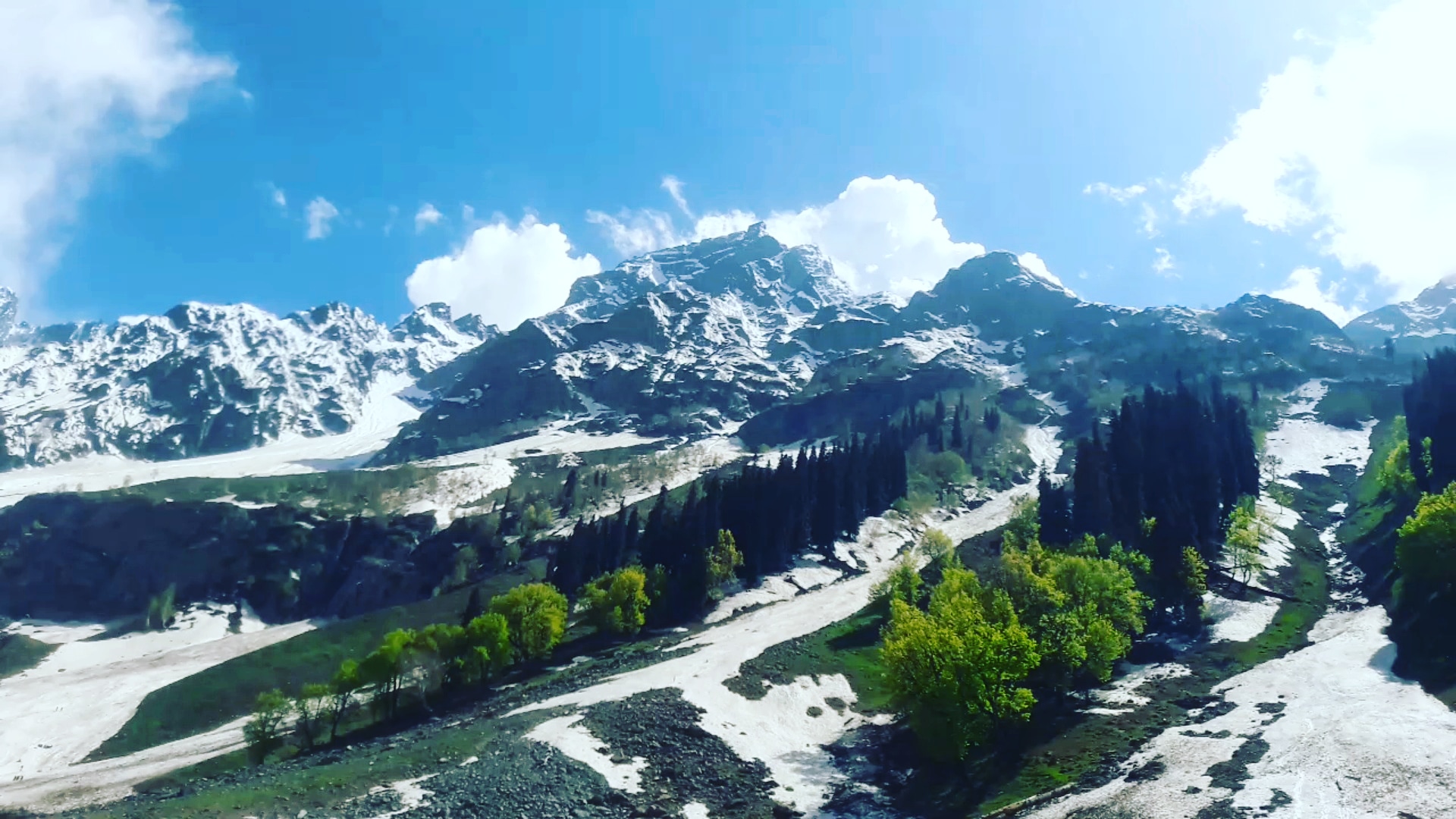
Located around 80 km from Srinagar (2.5–3 hours), Sonmarg is known as the “Meadow of Gold.”
Key attraction:
Thajiwas Glacier
Accessible mainly between May and September due to winter closures, Sonmarg is often planned as a full-day excursion.
Jammu Region – Pilgrimage & Lower Himalayan Belt
The Jammu region differs climatically and culturally from the Valley. It serves as the gateway for pilgrimage tourism and lower Himalayan exploration.
Vaishno Devi
The Vaishno Devi shrine trek begins from Katra and spans approximately 13 km uphill.
Key planning insights:
- Average trek duration: 5–7 hours
- Alternatives: Pony, palki, helicopter services
- Open throughout the year
- High visitor volume during Navratri
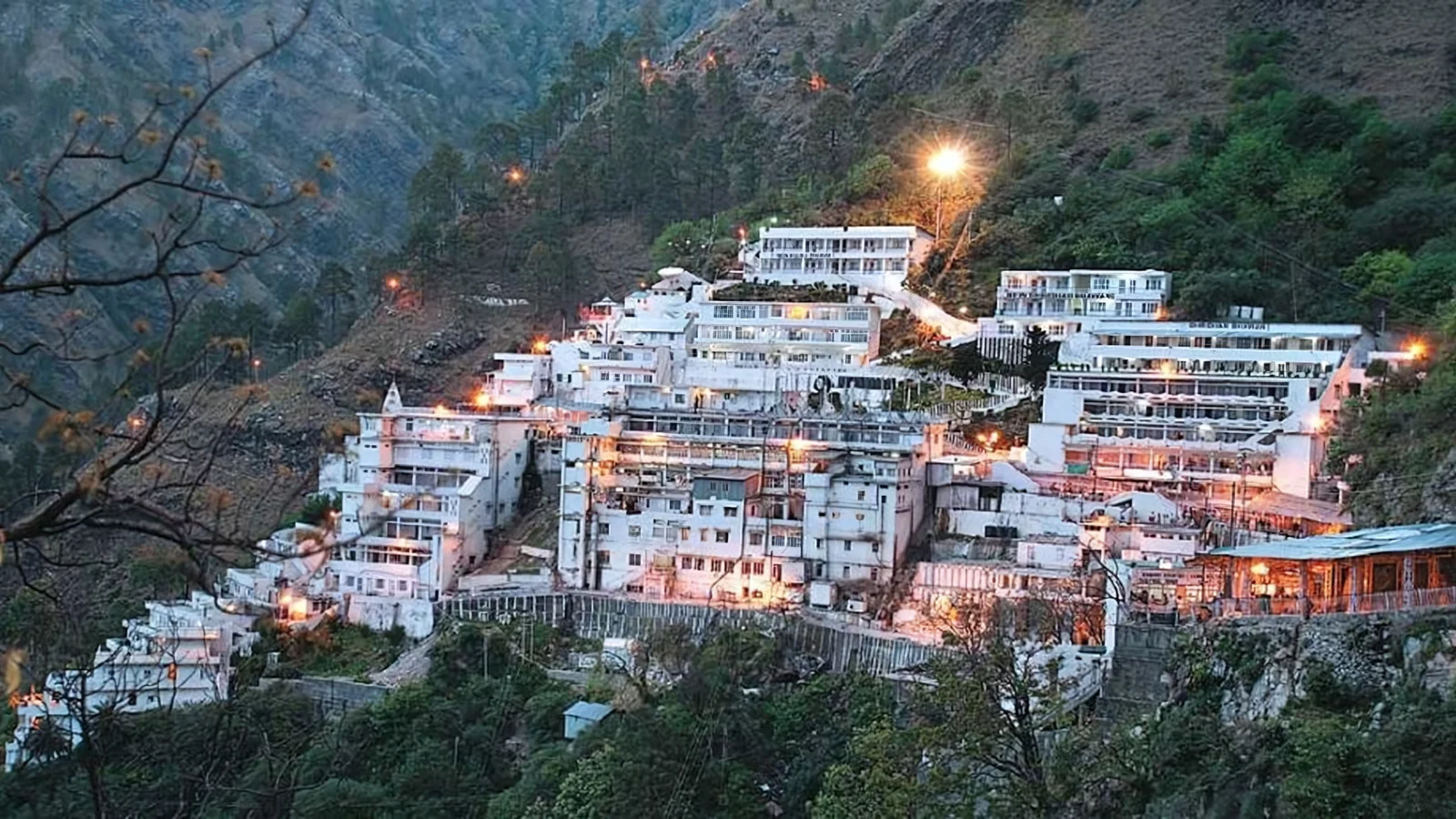
Pilgrimage travel often requires separate itinerary structuring from the Valley circuit. Travelers planning temple visits can consider dedicated Katra trip packages for base accommodation and transfers. Complete darshan-focused itineraries are also available under structured Shri mata Vaishno Devi tour packages.
Patnitop
Patnitop is a lower-altitude hill station often used as a stopover between Jammu and Srinagar. It offers scenic views and milder temperatures. Short scenic extensions can be arranged through customized Patnitop vacation packages integrated with Jammu travel.
Highway & Distance Overview
- Jammu - Srinagar: ~270 km
- Drive time: 8–9 hours via NH44
Recent tunnel upgrades have improved year-round accessibility, but winter snow and landslides may still impact schedules.
Ladakh Corridor – High-Altitude Desert Ecosystem
Many travelers extend their Jammu & Kashmir holiday packages toward Ladakh.
Leh
- Altitude: ~3,500 meters
- Minimum acclimatization required: 48 hours
Visitors must avoid immediate long-distance travel upon arrival. Hydration, light meals, and gradual altitude gain are critical.
Pangong Lake
Located above 4,000 meters, Pangong Lake is known for its dramatic high-altitude landscape. It should only be visited after proper acclimatization.
Advisory for Itinerary Planning
Ladakh should not be compressed into a rushed 7-day Valley itinerary. It requires a dedicated 5–6 day plan.
Best Time to Visit Jammu & Kashmir in 2026
Choosing the right season directly affects experience quality.
Season | Months | Experience Type
Spring | March–April | Tulip bloom & mild weather
Summer | May–June | Peak sightseeing season
Monsoon | July–September | Lower crowd density
Autumn | October | Clear skies & photography
Winter | December–February | Snow tourism
Tulip Season
April marks peak bloom at the Indira Gandhi Memorial Tulip Garden in Srinagar.
Snow Season
Gulmarg receives consistent snowfall in January and February, making it ideal for winter packages.
Places to Visit in Jammu & Kashmir (Experience-Based)
- Scenic Landscapes
- Dal Lake
- Betaab Valley
- Thajiwas Glacier
- Gulmarg Meadows
Spiritual Sites
- Vaishno Devi
- Hazratbal Shrine
Adventure & Snow Activities
- Gondola ride in Gulmarg
- Snow activities (seasonal)
- River valley exploration
Heritage & Gardens
- Mughal Gardens
- Traditional markets of Srinagar
Jammu & Kashmir 7 Days Itinerary (Valley Circuit)
Day 1: Arrival in Srinagar
Day 2: Srinagar sightseeing
Day 3: Gulmarg excursion
Day 4: Transfer to Pahalgam
Day 5: Pahalgam exploration
Day 6: Sonmarg excursion
Day 7: Departure
This structure minimizes long travel hours while maximizing sightseeing. This Valley route also forms the foundation of popular Kashmir Tourism Packages designed for first-time visitors.
Extended 9–10 Day Itinerary (With Jammu)
Day 1–6: Valley circuit
Day 7: Transfer to Jammu
Day 8: Vaishno Devi trek
Day 9: Buffer & departure
Jammu & Kashmir Trip Cost 2026
Mid-range estimate per person (6 Nights / 7 Days):
Flights: INR6,000–INR12,000
Hotels: INR15,000–INR25,000
Private Cab: INR20,000–INR30,000
Meals & Activities: INR8,000–INR12,000
Estimated total: INR50,000–INR75,000
Luxury travel may exceed INR1.2 lakh per person depending on hotel category and vehicle type.
Costs increase during:
April (Tulip season)
May–June (summer peak)
December–January (snow season)
Is Jammu & Kashmir Safe in 2026?
Tourism-focused zones such as Srinagar, Gulmarg, Pahalgam, and Katra remain economically dependent on travel activity.
Key considerations:
- Weather disruptions more common than safety issues
- Snow-related road closures in winter
- Landslide-prone highway sections
- Use licensed drivers and verified accommodations
With reasonable precautions, it remains a manageable Himalayan destination.
Common Planning Mistakes to Avoid
- Underestimating drive times
- Ignoring union taxi regulations
- Not pre-booking snow activities
- Rushing Ladakh without acclimatization
- Overloading a 5-day itinerary
How Many Days Are Enough for Jammu & Kashmir?
- Valley only: 6–7 days
- Valley + Jammu: 8–9 days
- Valley + Ladakh: 10–12 days
Shorter durations result in rushed transfers and limited experience depth.
How to Plan a Jammu & Kashmir Tour Efficiently
- Select primary region
- Choose travel season strategically
- Allocate buffer time
- Plan altitude adjustment
- Decide between independent planning or structured holiday packages
Structured travel plans often reduce logistical friction and provide predictable pricing.