Diwali: Experience India’s Festival of Lights and New Beginnings
Oct 16, 2025
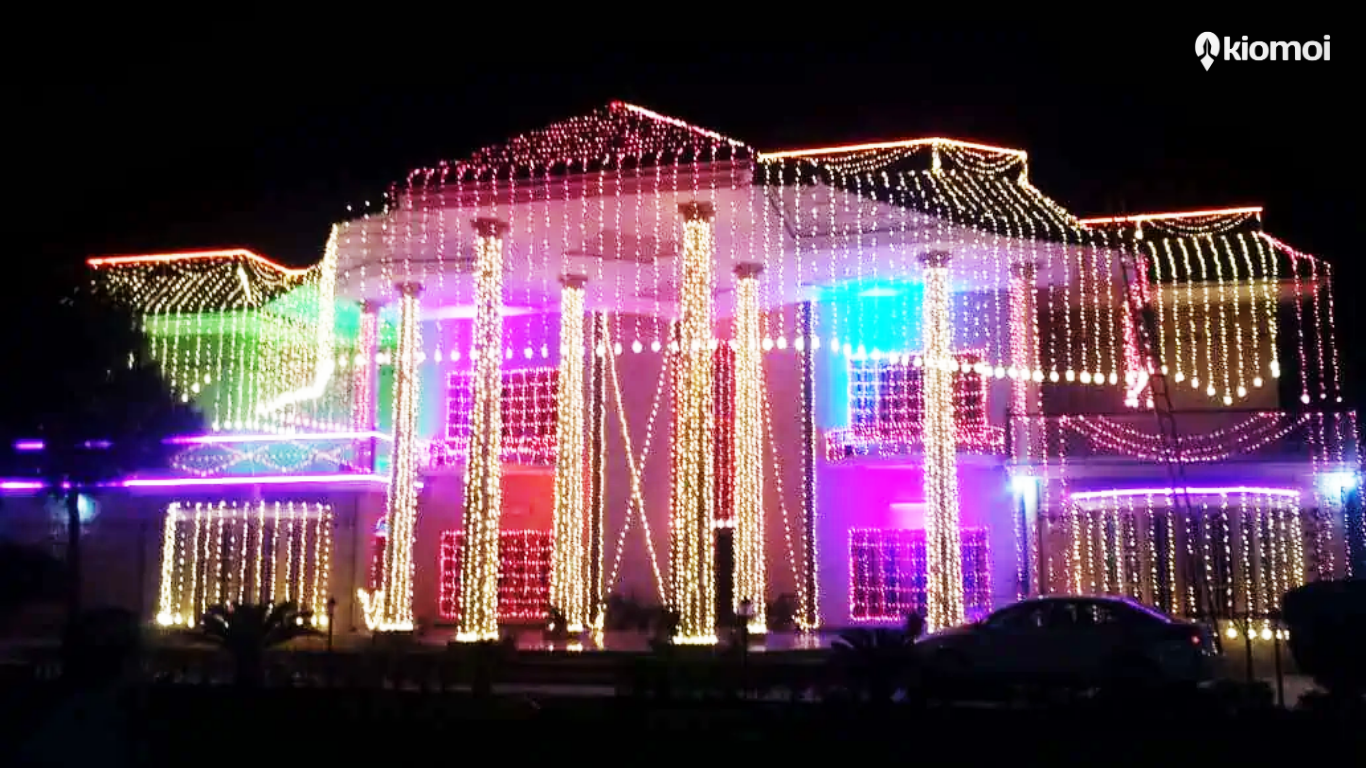
There’s something magical about India in the weeks leading up to Diwali. The days feel softer, the nights brighter, and even the air seems charged with anticipation. Streets start to gleam with fairy lights, shops overflow with sweets and colors, and homes open their doors to both loved ones and light itself.
Diwali isn’t just a festival - it’s a feeling. It’s the hush before a diya is lit. The echo of laughter across balconies. The warmth of ghee lamps flickering against dark skies. It’s the time when every corner of the country, no matter how small, seems to whisper the same thing: light will always find its way back.
The Story That Started It All
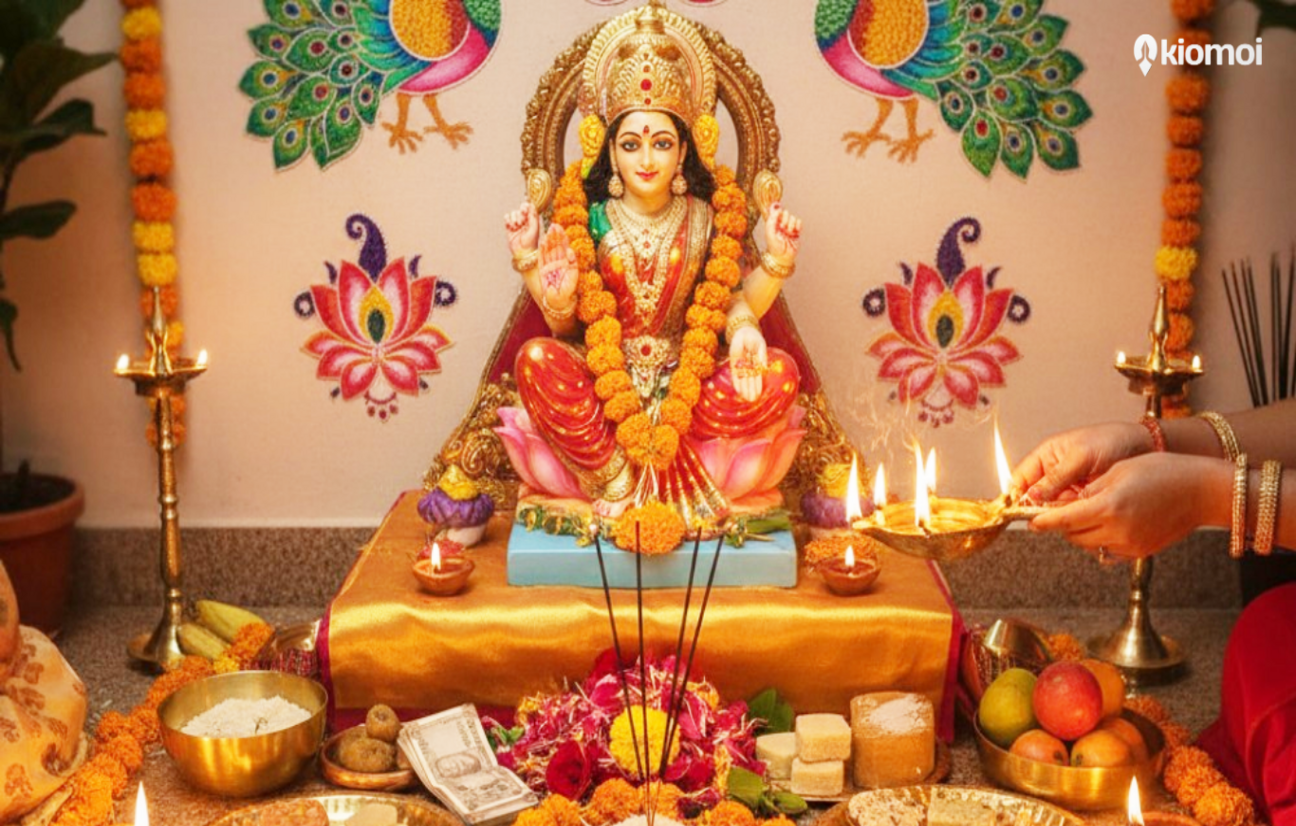
At its heart, Diwali celebrates the triumph of good over evil, light over darkness, and hope over despair. Its legends vary across regions - in the North, it marks Lord Rama’s return to Ayodhya after 14 years of exile, greeted by a million lamps lighting his path. In the South, it honors Lord Krishna’s victory over the demon Narakasura. In the West, it’s the day Goddess Lakshmi visits homes that are pure in heart and spirit.
But beneath all those stories lies one truth: Diwali is about renewal. It’s about clearing out the old, forgiving, starting again, and filling your world with light both inside and out.
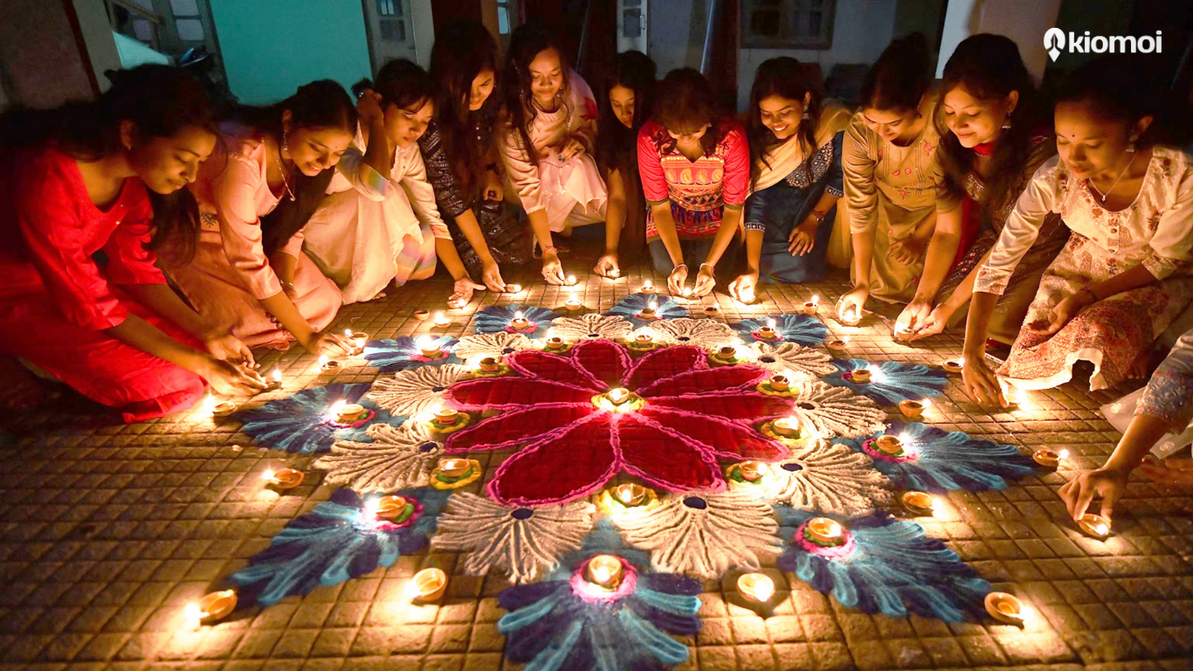
Walk through an Indian neighborhood in late October, and you’ll see it unfold. Families repainting their walls. Children stringing marigold garlands. Women shaping delicate diyas from clay. Every preparation, big or small, feels like an offering - a gesture that says, “We’re ready for new beginnings.”
The Festival That Feels Like a Symphony
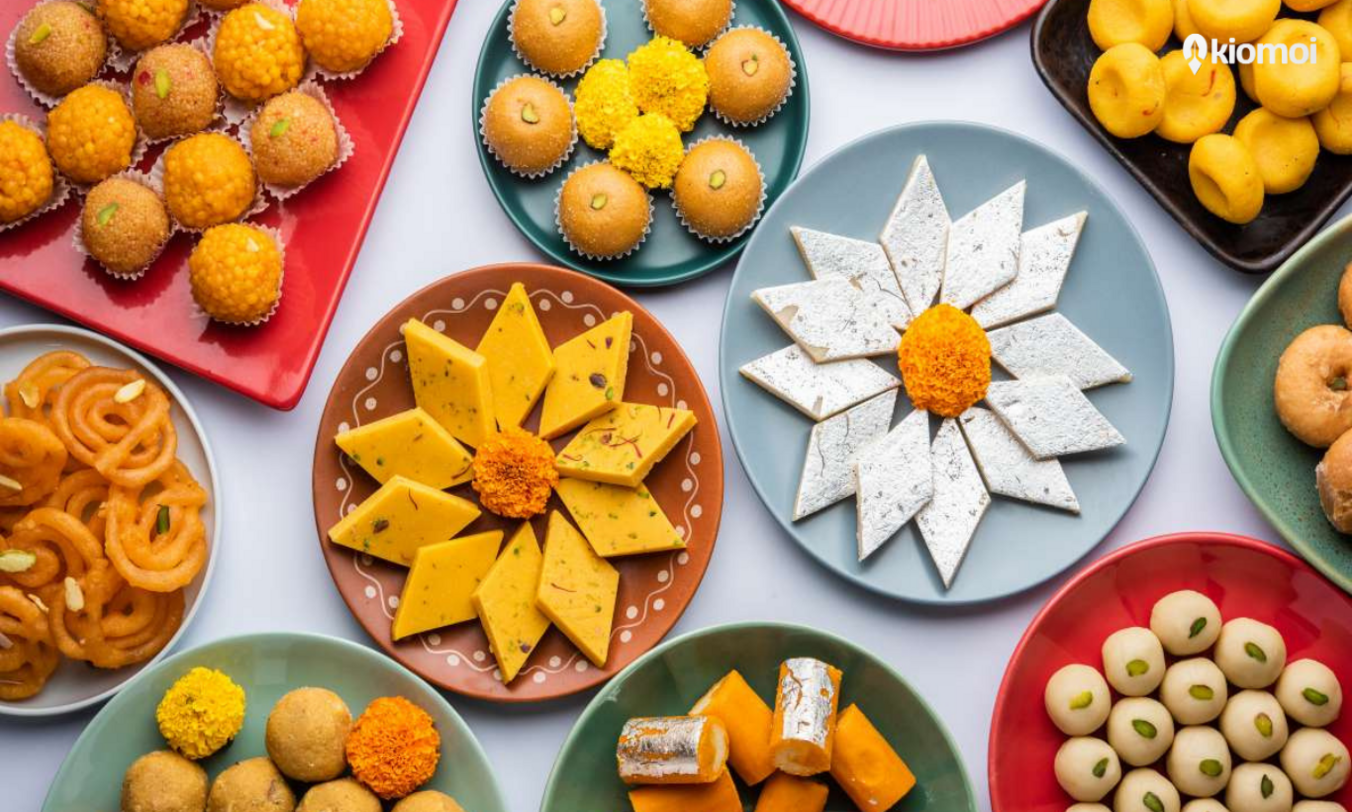
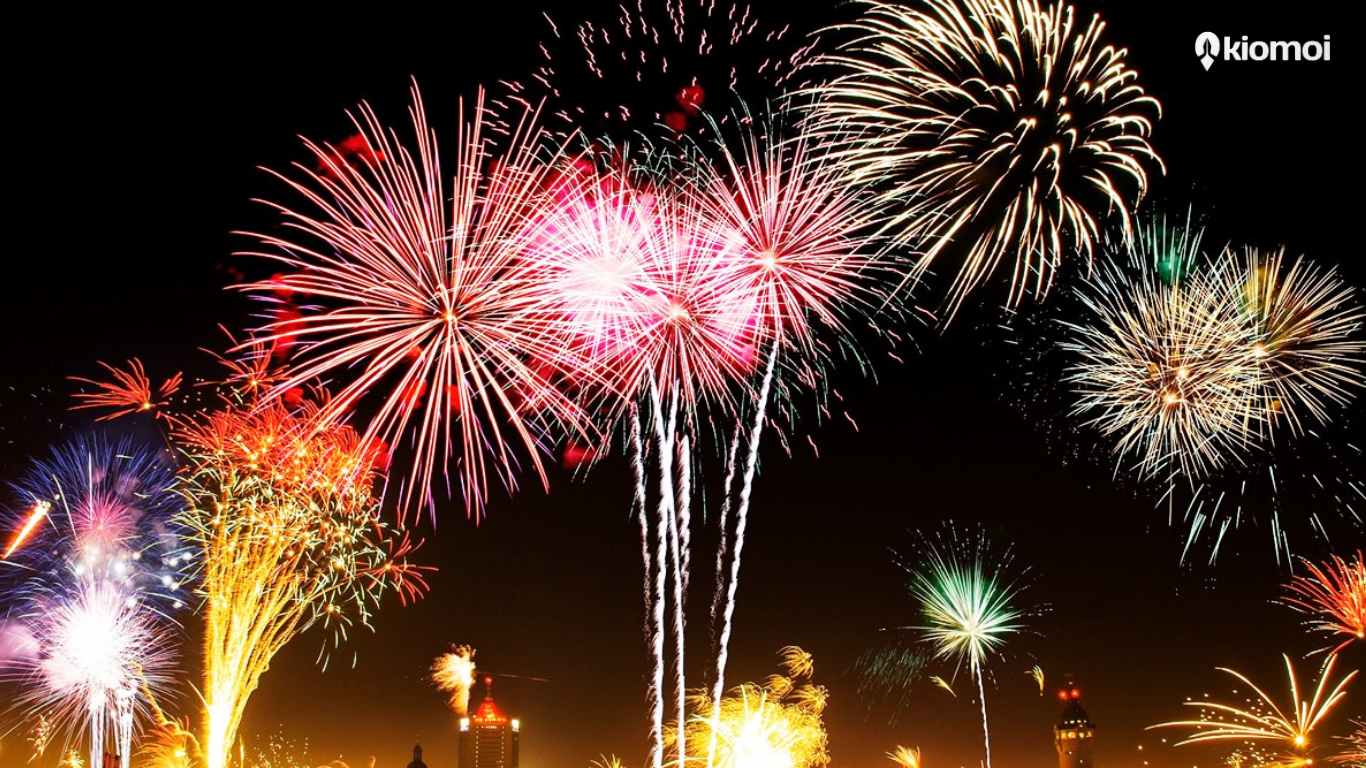
The week of Diwali is like a crescendo of light and sound. In Delhi, the scent of jasmine mingles with the smoke of freshly burst crackers. Sweet shops come alive, their glass cases stacked with laddoos, sonpapdi and kaju katli, each one glistening with silver leaf. Everywhere you go, hands are exchanging boxes of mithai - the sweetest way Indians say “we care.”
In the South, Diwali mornings begin with oil baths before sunrise, followed by prayers and fireworks that crackle long before breakfast. In cities like Chennai or Coimbatore, the streets glow with rows of diyas even before nightfall, as the air hums with temple bells and conch shells.
Travel west to Gujarat, and the celebration stretches over several days. Homes are washed spotless, rangolis bloom at every doorstep, and families come together to worship Goddess Lakshmi - the bringer of fortune. In Mumbai, skyscrapers twinkle like stars, every balcony wrapped in gold and light.
And then there’s Varanasi ,perhaps Diwali’s most breathtaking stage. Along the ghats of the Ganga, thousands of lamps float across the water, their reflections dancing like tiny fire spirits. Priests perform the Ganga Aarti as chants rise and fade with the river’s rhythm. For a moment, you forget where you end and the light begins.
Small Towns, Big Hearts
While cities dazzle, it’s in India’s smaller towns where Diwali still feels intimate and pure. In Pushkar, people light diyas along the holy lake, their flames swaying in the desert wind. In Udaipur, the royal city of lakes, the palaces gleam under golden lights, their reflections doubling the glow on the water.
In villages across Rajasthan, families gather outside mud homes painted freshly with lime and cow dung - a rural ritual symbolizing purity. In the distance, you’ll hear the faint hum of devotional songs, the crackle of fireworks, and the gentle laughter of children racing barefoot across the fields.
No matter where you go, Diwali feels like a story being told in a hundred different languages - but understood by everyone.
Diwali and the Art of Connection
Diwali isn’t only about lamps and fireworks; it’s about people. It’s about that shared smile with a stranger at the sweet shop, or the friend who shows up with homemade kheer just because “it’s tradition.”
In an age where time slips through our fingers, Diwali slows us down. It reminds us to call our grandparents, to sit with our families over chai, to light a candle not just for the gods, but for the ones we’ve lost and the ones we still hold close.
There’s a tenderness to these moments. The sound of laughter echoing through homes. The gentle rustle of new clothes. The way a diya flame dances in the evening breeze steady, defiant, hopeful.
Why Diwali is More Than a Festival
Every year, India seems to reinvent Diwali - new ways to decorate, new sweets to taste, new eco-friendly fireworks to light the sky. Yet the soul of the festival never changes. It’s always about light. About cleansing and celebrating. About finding joy in the small things - a perfectly drawn rangoli, the warmth of someone’s voice, the glow of homecoming.
And even for travelers who arrive from far away, Diwali is an invitation to belong. It’s impossible not to be moved when you stand among millions, each person lighting a diya, each flame joining another until the darkness doesn’t stand a chance.
The Light That Stays
When the fireworks fade and the lamps begin to flicker out, the world feels quieter. Streets glisten with the remains of celebration - petals, candle wax, and a faint scent of incense in the air. And yet, something lingers.
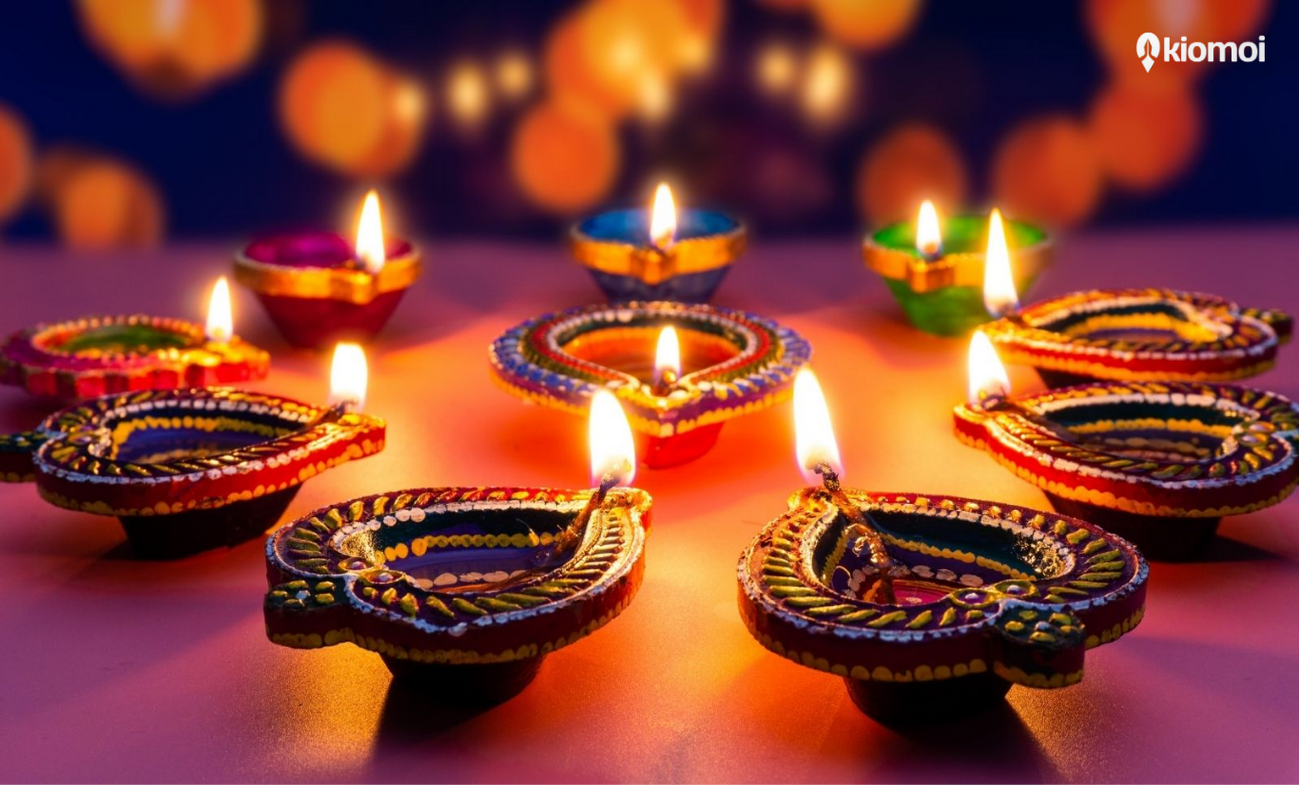
That’s Diwali’s real gift. Long after the last diya burns out, its warmth stays. In the laughter that still echoes in your mind. In the glow that softens your heart. In the reminder that no matter how dark the night gets, light always returns - sometimes brighter than before.
Because Diwali isn’t just about celebration. It’s about hope, love, and the promise that even the smallest flame can change everything.