Best Places to Visit in Spring in India (March–April 2026 Travel Guide)
Feb 20, 2026
Spring (March to April, extending into early May in hill regions) is one of the most balanced travel seasons in India. Winter fades, summer heat has not peaked, and Himalayan valleys enter full bloom mode with excellent visibility and moderate temperatures.
The best places to visit in spring in India include Srinagar, Gangtok, Munnar, Darjeeling, Jaipur, and Shillong. These destinations offer floral bloom, clear mountain views, mild weather, and ideal sightseeing conditions during March and April, making them perfect for a well-planned india tour package in 2026.
This guide explains seasonal timing, altitude impact, ideal duration, and demand trends to help you choose the most strategically efficient spring destination.
1. Srinagar – Tulip Bloom & Alpine Contrast (Altitude: 1,585 m)
Spring is Kashmir’s peak visual season. The Indira Gandhi Memorial Tulip Garden typically opens from late March to mid-April depending on snowmelt.
Seasonal Variation
Early March: Snow remains visible in Gulmarg (2,650 m).
Late March–April: Full tulip bloom and Mughal garden flowering.
Temperature Range: 8°C–20°C
Ideal Duration: 4N/5D or 5N/6D
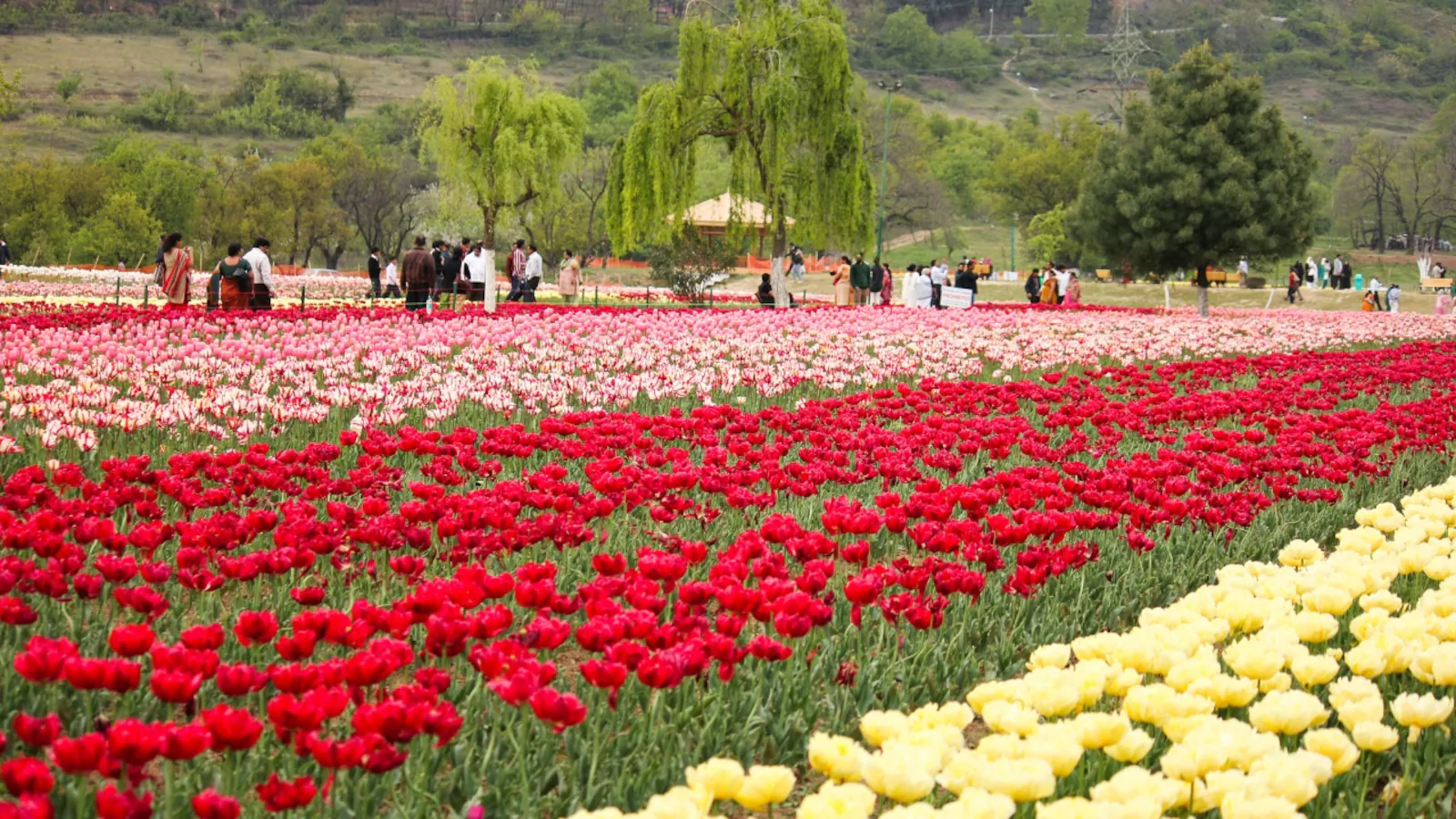
Search demand for Kashmir increases by approximately 20–30% during late March due to Tulip Festival traffic. Travelers planning this bloom window often prefer structured Srinagar travel packages for better hotel positioning and regional coverage.
For extended Himalayan circuits including Gulmarg and Pahalgam, a broader india tour package improves routing efficiency.
2. Gangtok – Rhododendron Valleys & Himalayan Clarity (Altitude: 1,650 m)
Spring is one of the best times to visit Sikkim due to improved mountain visibility and blooming rhododendrons.
Seasonal Variation
March: Crisp Himalayan views.
April: Rhododendron bloom intensifies in Yumthang Valley.
Temperature Range: 10°C–22°C
Ideal Duration: 5N/6D
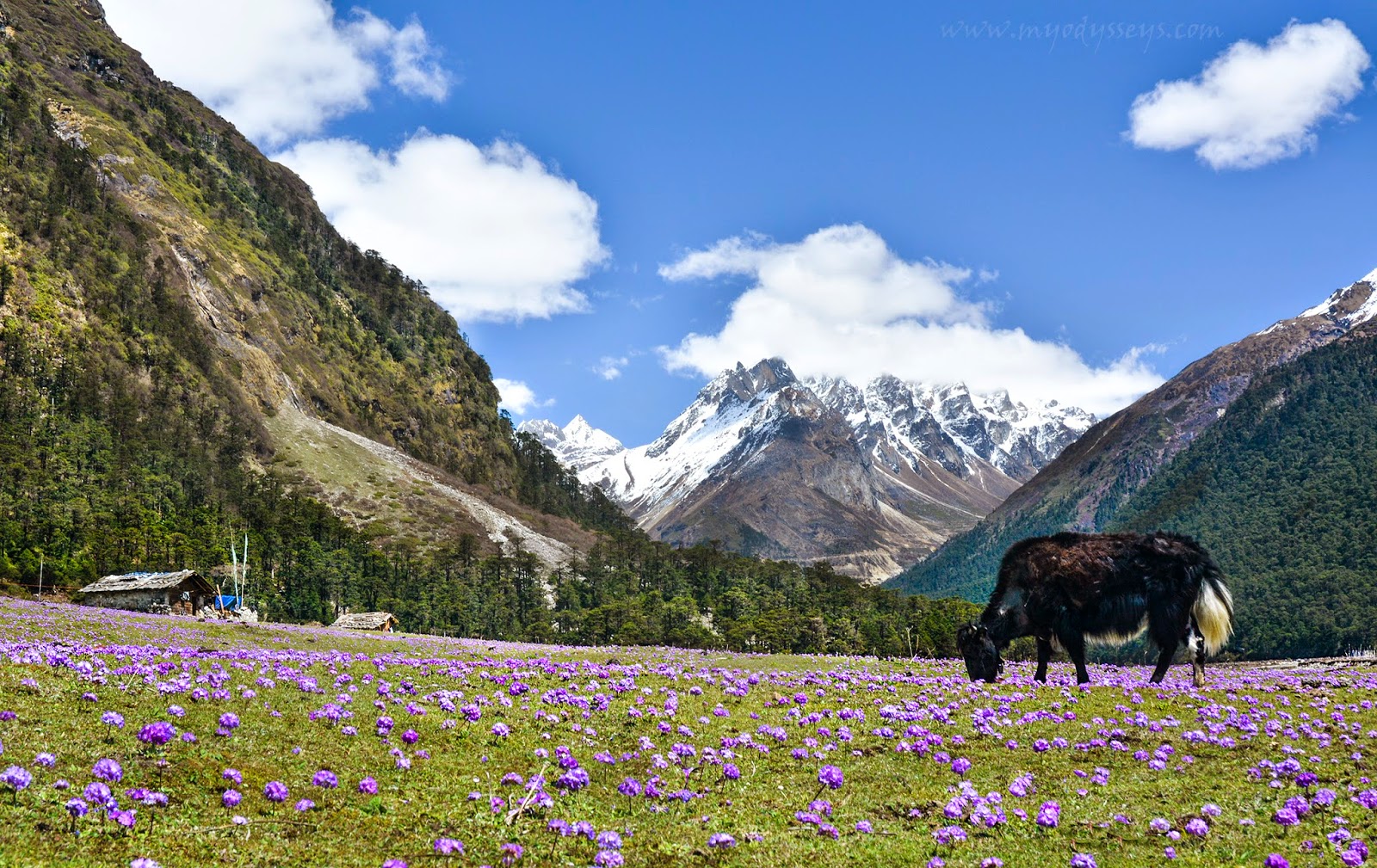
Permit-regulated areas such as Nathula Pass operate more smoothly post-winter. For altitude-balanced itineraries and permit coordination, curated Gangtok holiday packages offer logistical efficiency.
3. Munnar – Tea Estates Before Monsoon (Altitude: 1,600 m)
Munnar experiences lower humidity and excellent clarity before Kerala’s southwest monsoon begins.
Seasonal Variation
Early March: Best sky clarity and minimal rainfall.
Late April: Slight temperature rise but still comfortable.
Temperature Range: 15°C–25°C
Ideal Duration: 3N/4D or 4N/5D
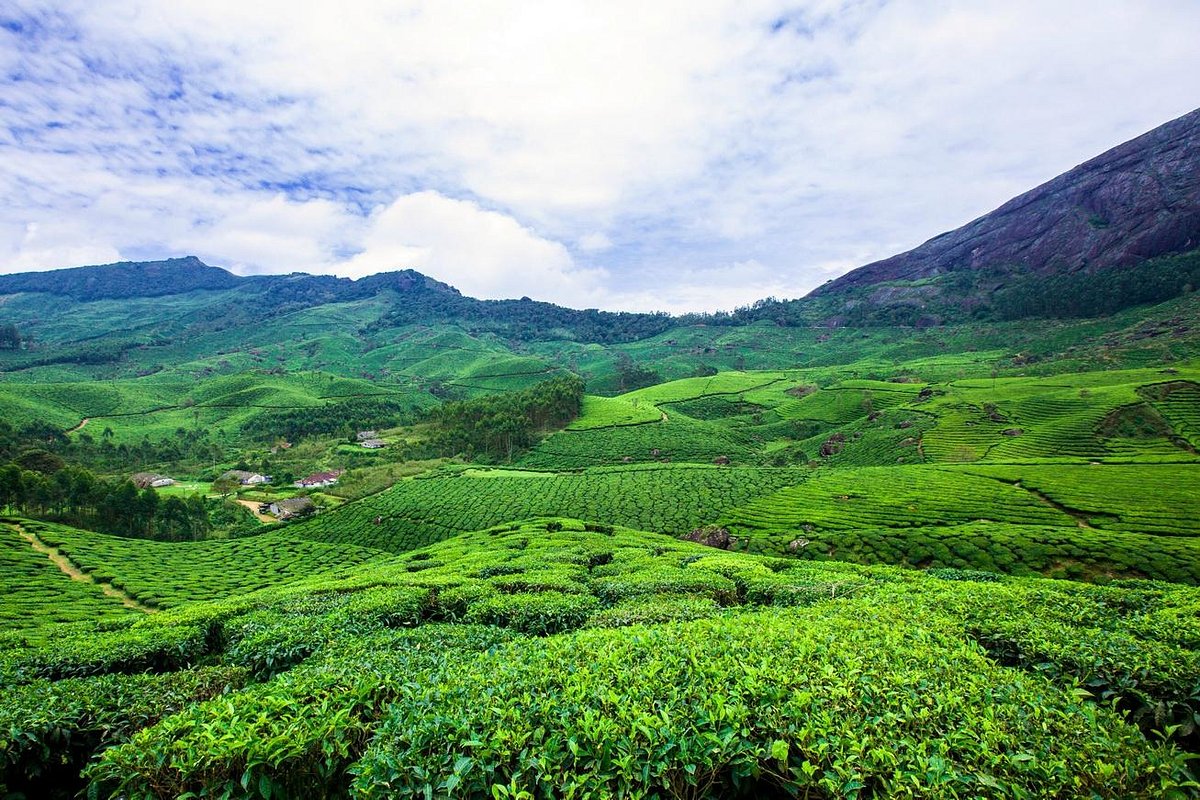
Eravikulam National Park generally reopens after the breeding season during spring, improving wildlife visibility. Leisure travelers and honeymooners often select seasonal Munnar holiday packages for relaxed pacing.
4. Darjeeling – First Flush Tea & Sunrise Visibility (Altitude: 2,045 m)
Spring offers statistically clearer Kanchenjunga views before pre-monsoon haze develops.
Seasonal Variation
March: Lower tourist density and crisp air.
April: First flush tea harvest begins.
Temperature Range: 11°C–20°C
Ideal Duration: 4N/5D
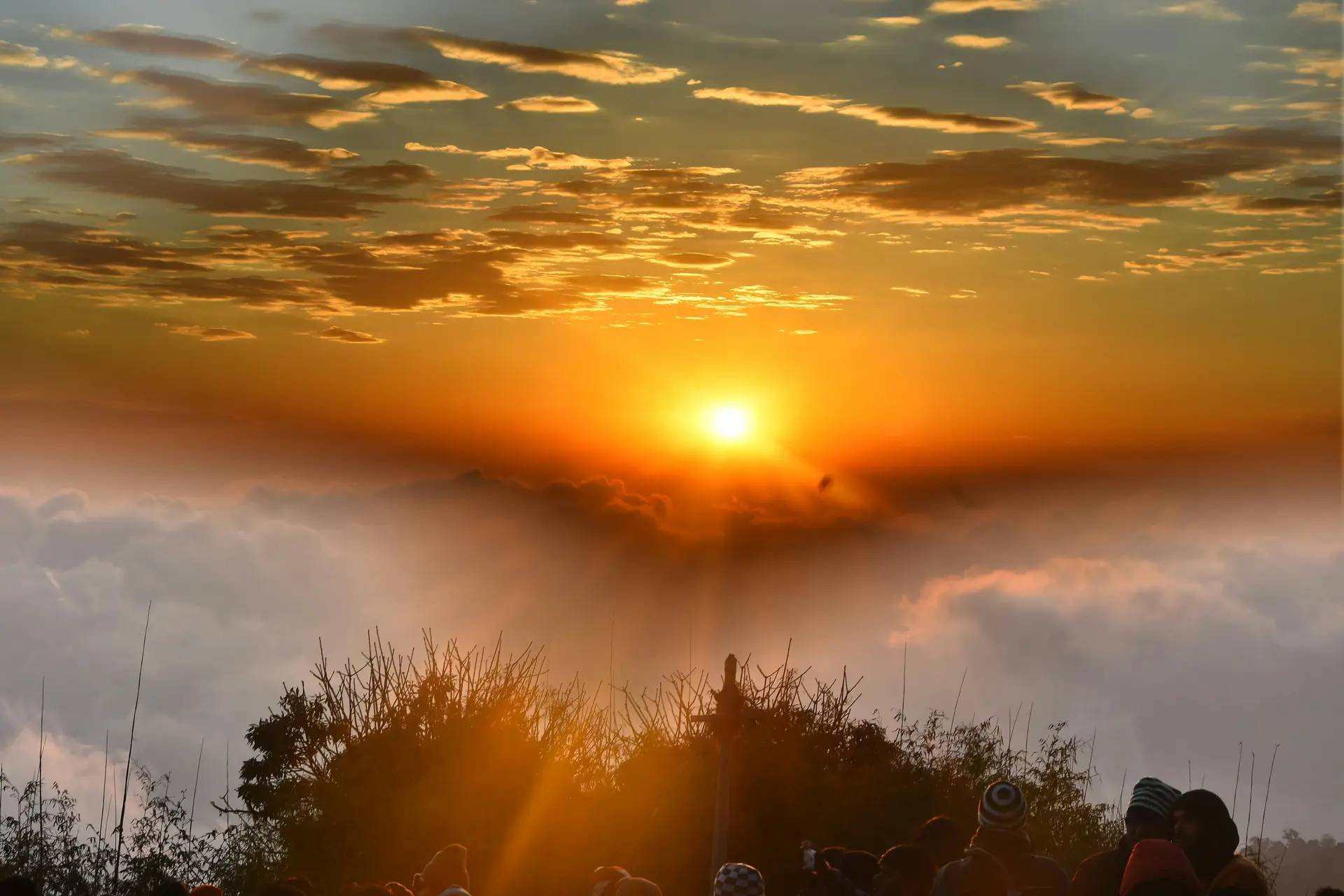
Compared to peak May rush, March departures are generally more cost-efficient. Structured Darjeeling tour packages often include Kalimpong or Mirik to create better circuit balance.
5. Jaipur – Heritage Exploration Window (Altitude: 431 m)
Spring marks the final comfortable sightseeing window in Rajasthan before extreme summer temperatures.
Seasonal Variation
Early March: Ideal fort and palace exploration weather.
Late April: Temperatures may cross 35°C.
Temperature Range (March): 18°C–32°C
Ideal Duration: 3N/4D

For cultural circuits covering forts and heritage markets, early-spring Jaipur holiday packages ensure maximum sightseeing comfort.
6. Shillong – Pre-Monsoon Clarity & Green Landscapes (Altitude: 1,525 m)
Shillong remains cool and green before heavy monsoon rainfall begins in June.
Seasonal Variation
March: Clear skies and mild breeze.
April: Increasing greenery with stable weather.
Temperature Range: 12°C–22°C
Ideal Duration: 4N/5D
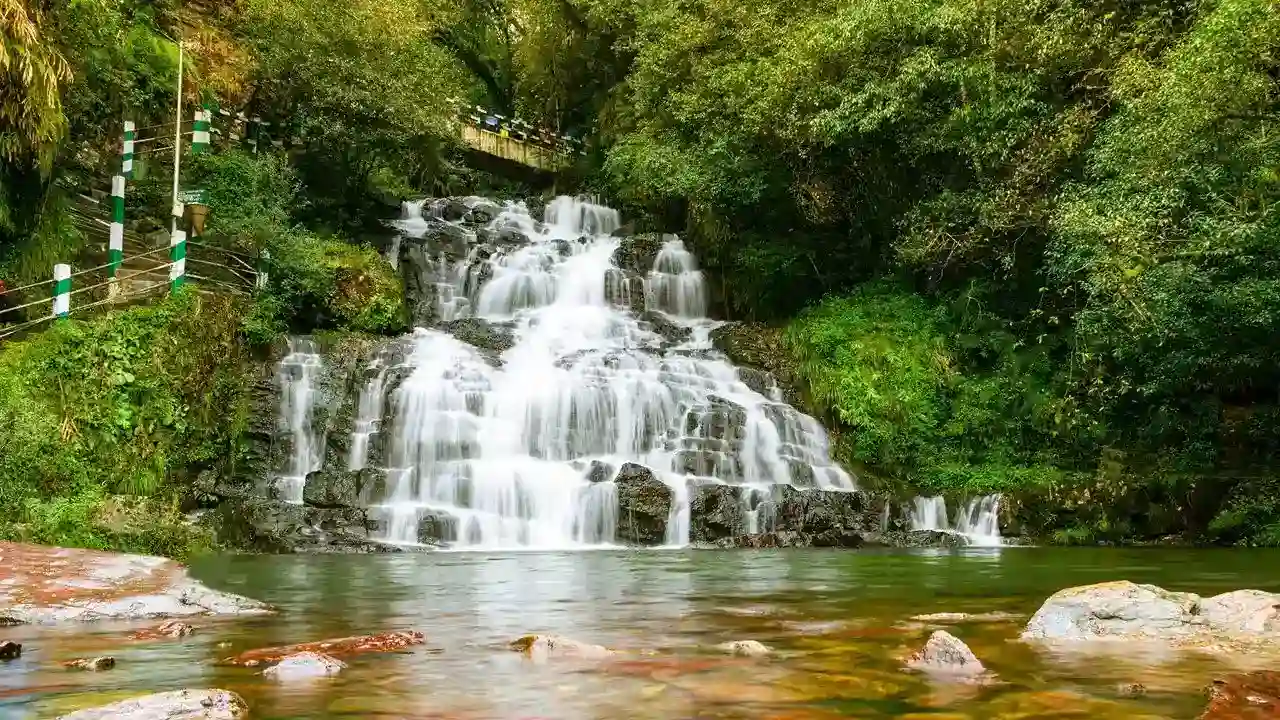
Because accessibility improves post-winter, spring routing is smoother compared to monsoon months. Curated Shillong holiday packages help optimize Northeast travel efficiency.
Why Spring Is the Smartest Travel Season in India
Compared to peak summer (May–June) and heavy monsoon (July–September), spring provides:
- Stable climate across regions
- Peak bloom cycles in Himalayan states
- Lower humidity in South India
- Strong mountain visibility
- Better pricing before peak demand
Booking trend patterns indicate April sees roughly a 25% spike in hill destination searches compared to February, reinforcing its commercial and climatic advantage.
For travelers comparing multiple regions, selecting a structured india tour package ensures better climate alignment, smoother routing, and itinerary balance.
Final Strategic Recommendation
If you prioritize floral landscapes and snow contrast, choose Srinagar.
If rhododendron valleys appeal to you, Gangtok is ideal.
If you prefer tea estates and mild climate, Munnar works best.
If heritage exploration is your focus, Jaipur in early March is optimal.
If Northeast clarity interests you, Shillong delivers balanced spring weather.
Selecting a professionally designed india tour package during March–April allows travelers to maximize comfort, scenic value, and operational efficiency during India’s most balanced travel season.